






Diploma in Nursing Science & Midwifery

Education goes beyond textbooks and classrooms. We believe in empowering students to explore their passions challenge conventions.

Why B.Sc. in Nursing?

  • Nursing is not just a course or a career; it is a commitment to care, compassion, and service to humanity. A Diploma in Nursing Science and Midwifery program is a three-years professional degree that prepares students with scientific knowledge, clinical skills, and ethical values required to serve patients with dedication and empathy.

What Nurses Do?

  • Choosing Nursing opens the door to many career opportunities. Diploma Nurses can work in hospitals, clinics, community health centers, research institutions, armed forces, and even abroad. With higher studies like BSc Nursing, MSc Nursing or specialization in critical care, pediatric nursing, or mental health nursing, one can grow professionally and contribute even more to society.
  • Diploma Nursing is not only a degree but a noble journey of serving mankind. Those who choose this path choose to make a difference in the lives of others every single day.

At a Glance of the Department

The curriculum is dynamic with provision for incorporating emerging health problems and changing health policies as well as latest advancement in health sciences. The Diploma in Nursing Science and Midwifery curriculum is designed for BNMC recognized institutions and incorporate (1) General courses to prepare students to understand the world, understand human behaviors and well-behave in the society (2) Foundation courses to furnish students with essential knowledge relevant to nursing and midwifery and (3) Professional courses for nursing and midwifery specific courses. The courses are sequenced from year one to year three, from simple to complex, with an attempt to increase students’ competencies overtime.

Degree

Diploma in Nursing Science and Midwifery

Duration

3 Years

Approved by

Bangladesh Nursing and Midwifery Council

Seat Capacity

50

Medium of Instruction

English

Why Study at BNC?

  • Curriculum aligned with University of Dhak
  • Clinical exposure at MMC&H, Enam MC&H and so many recognized Govt. and Private Hospitals.
  • MoUs with national & international institutions
  • Modern classrooms, labs, and enriched library
  •  

At a Glance of the Department

The Department of Diploma in Nursing Science and Midwifery at BNC, offers a 3-years Diploma program, approved by the BNMC. The program blends classroom teaching, clinical placements, and community-based rehabilitation to prepare competent Nurses for Bangladesh and beyond. 

Course & Affiliation:

  • Degree Offered:

    Diploma in Nursing Science and Midwifery

  • Course Duration: 3 Years 
  • Approval: Bangladesh Nursing and Midwifery Council & Ministry of Health & Family Welfare, Bangladesh

Clinical Training & Collaborations:

  • Clinical Training Centers: Mymensingh Medical College & Hospital (MMCH), Enam Medical College & Hospital (EMCH), and other recognized hospitals & rehabilitation institutes. 

  • MoUs Signed With: National & international academic and health institutions for training, research, and exchange.

Facilities:

  • Modern classrooms & digital learning labs

  • Enriched library with 5,000+ books, journals & e-resources

  • Computer lab with high-speed internet

  • On-campus rehabilitation clinic for hands-on training

  • Experienced faculty members & visiting professors

Message from HOD

This diploma program is designed to prepare students with the essential knowledge, clinical skills, and professional values required in the nursing profession. It focuses on patient care, health promotion, disease prevention, and especially maternal and child health services.

Through classroom learning and practical hospital training, students gain hands-on experience in medical-surgical nursing, community health nursing, and midwifery. They learn how to care for patients with compassion, administer medications safely, assist in deliveries, and provide care to mothers and newborns.

The Diploma in Nursing Science and Midwifery plays a vital role in strengthening the healthcare system by producing skilled and dedicated nurses who serve in hospitals, clinics, and community settings.

In conclusion, this program is not just a course of study, but a noble journey of service, responsibility, and commitment to saving lives and promoting health.

Mst. Halima Akter Shimu

Head, Diploma in Nursing Science & Midwifery, BNC

Faculty Members

his section introduces the teaching staff of the Department of BSc in Nursing at Bela Nursing College. It highlights their expertise, qualifications, and professional experience, helping prospective students become familiar with the faculty who will guide their academic learning, clinical training, and professional development

Department of Diploma in Nursing Science & Midwifery

Dr. Dr. Ashik Ahmed Hridoy

MBBS (DU), CMU, PGT (Radiology & Imaging)

Md. Mazharul Islam

Lecturer, (BNC)

Munni Akter

Lecturer (BNC)

Prapty Dey Jue

Lecturer (Bela Nursing College)

Mr. Foysal

Lecturer (Bela Nursing College)

Shakil Mahamud

Vice Principal (Bela Nursing College)

Laboratory Facilities

Bela Nursing College is committed to providing students with hands-on learning experiences through well-equipped, modern laboratory environments. Our laboratories support practical skill development, promote scientific understanding, and ensure that students are fully prepared for clinical and professional practice.

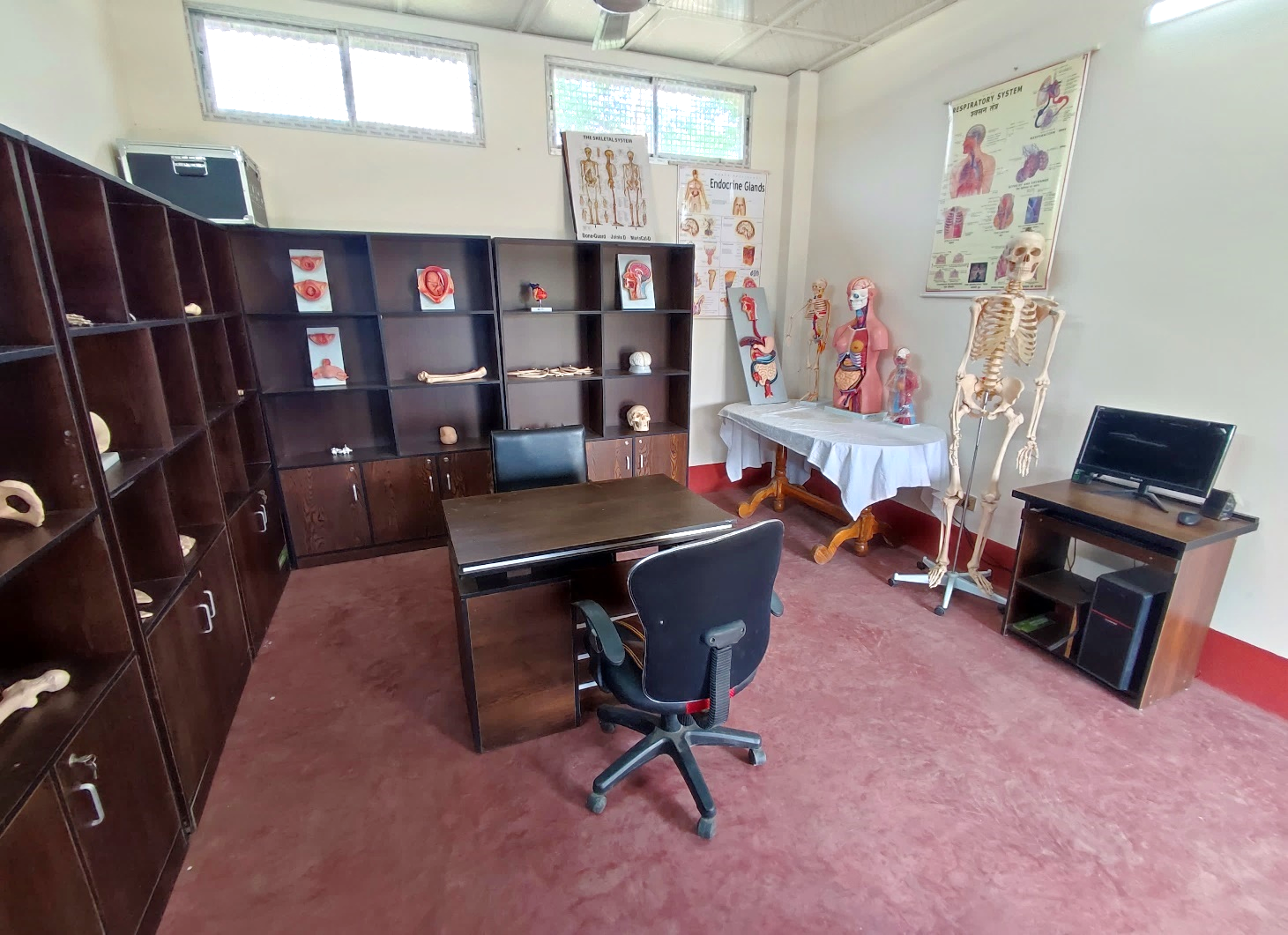
Anatomy & Physiology Laboratory

The Anatomy & Physiology Laboratory serves as a foundational learning space where students explore the structure and functions of the human body in a highly interactive environment. The lab is equipped with anatomical models, charts, skeletons, and physiological testing tools that help students visualize and understand complex bodily systems. Through guided demonstrations and practical exercises, learners gain essential insight into musculoskeletal and systemic functions, laying a strong academic base for advanced clinical courses. The laboratory environment encourages curiosity and detailed study, making it a vital component of the early stages of physiotherapy education.
Nursing Lab

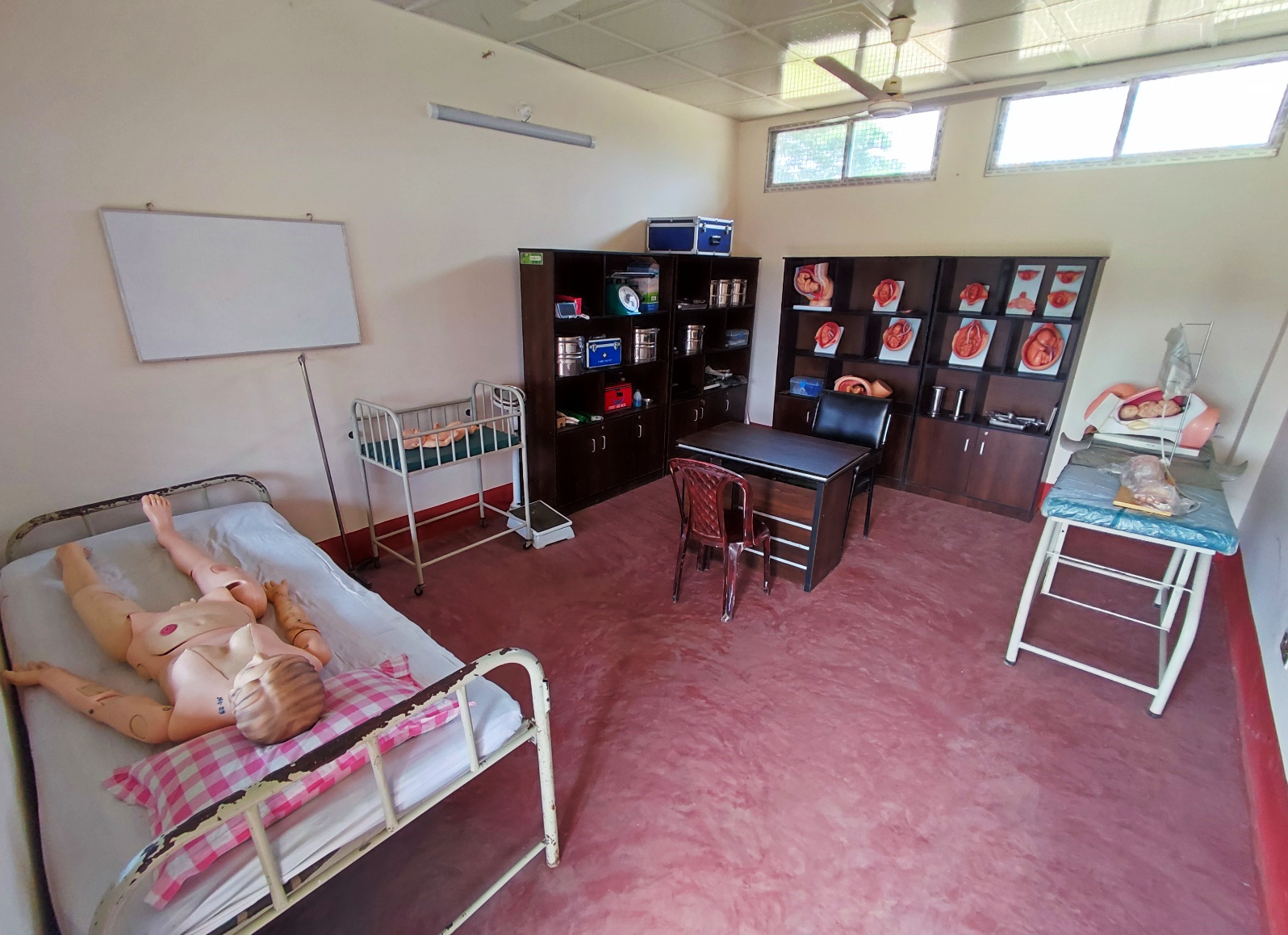
The Nursing Lab is the place where theory becomes practice. It is here that we learn essential clinical skills in a safe and supervised environment before caring for real patients. From measuring vital signs and administering injections to performing CPR and wound dressing, the lab helps us develop confidence, precision, and responsibility. This laboratory is equipped with mannequins, hospital beds, medical instruments, and simulation models that allow us to practice repeatedly until we master each procedure. It not only builds our technical skills but also teaches us discipline, teamwork, and professional ethics. The Nursing Lab prepares us to face real-life clinical situations with competence and compassion. It truly acts as a bridge between classroom learning and hospital practice. In conclusion, the Nursing Lab is not just a room with equipment; it is the foundation where skilled and confident nurses are shaped.
Nutrition & Dietetics Practical Lab

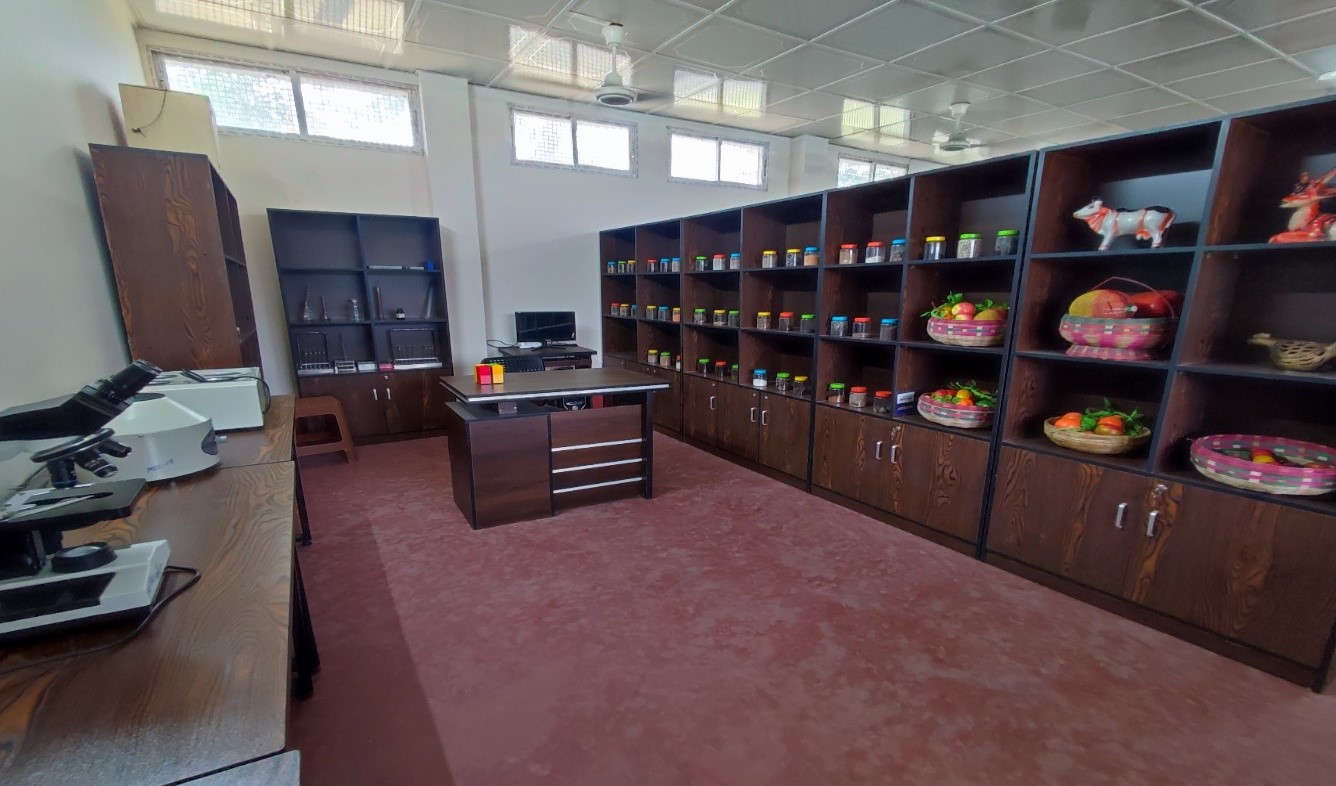
Nutrition plays a vital role in maintaining health and preventing diseases. As nursing students, understanding proper diet planning and therapeutic nutrition is essential for providing holistic patient care. The Nutrition and Dietetics Practical Lab gives us hands-on experience in planning balanced diets, preparing therapeutic meals, and understanding the nutritional needs of different age groups and medical conditions. In this lab, we learn about calorie calculation, nutrient values, special diets for conditions like diabetes and hypertension, and the importance of food hygiene and safety. It helps us connect theoretical knowledge with practical application. This practical training enables us to guide patients and families about healthy eating habits and proper nutrition for recovery and well-being. In conclusion, the Nutrition and Dietetics Practical Lab strengthens our ability to promote health not only through treatment but also through proper nourishment.
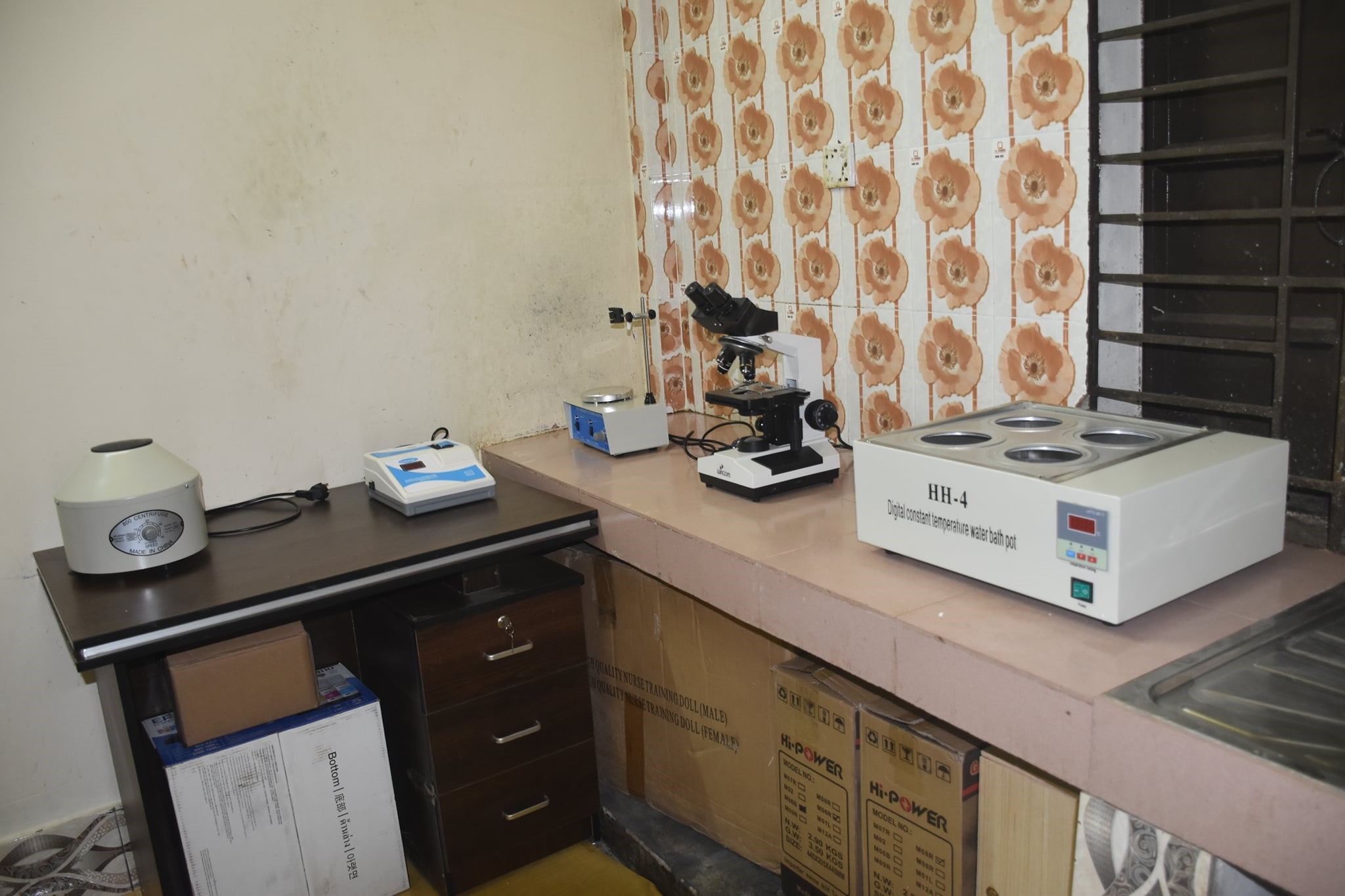
Microbiology Lab

The Microbiology Lab plays a vital role in nursing education. It helps us understand microorganisms such as bacteria, viruses, fungi, and parasites that cause various diseases. Through practical sessions, we learn about infection control, sterilization techniques, and proper handling of specimens. In this lab, we observe microorganisms under the microscope, perform staining techniques, and understand culture methods. These experiences enhance our knowledge about disease transmission and prevention, which is essential for ensuring patient safety in clinical settings. The Microbiology Lab not only strengthens our scientific understanding but also teaches us the importance of hygiene, aseptic techniques, and infection prevention in healthcare. In conclusion, the Microbiology Lab builds a strong foundation for safe and effective nursing practice.
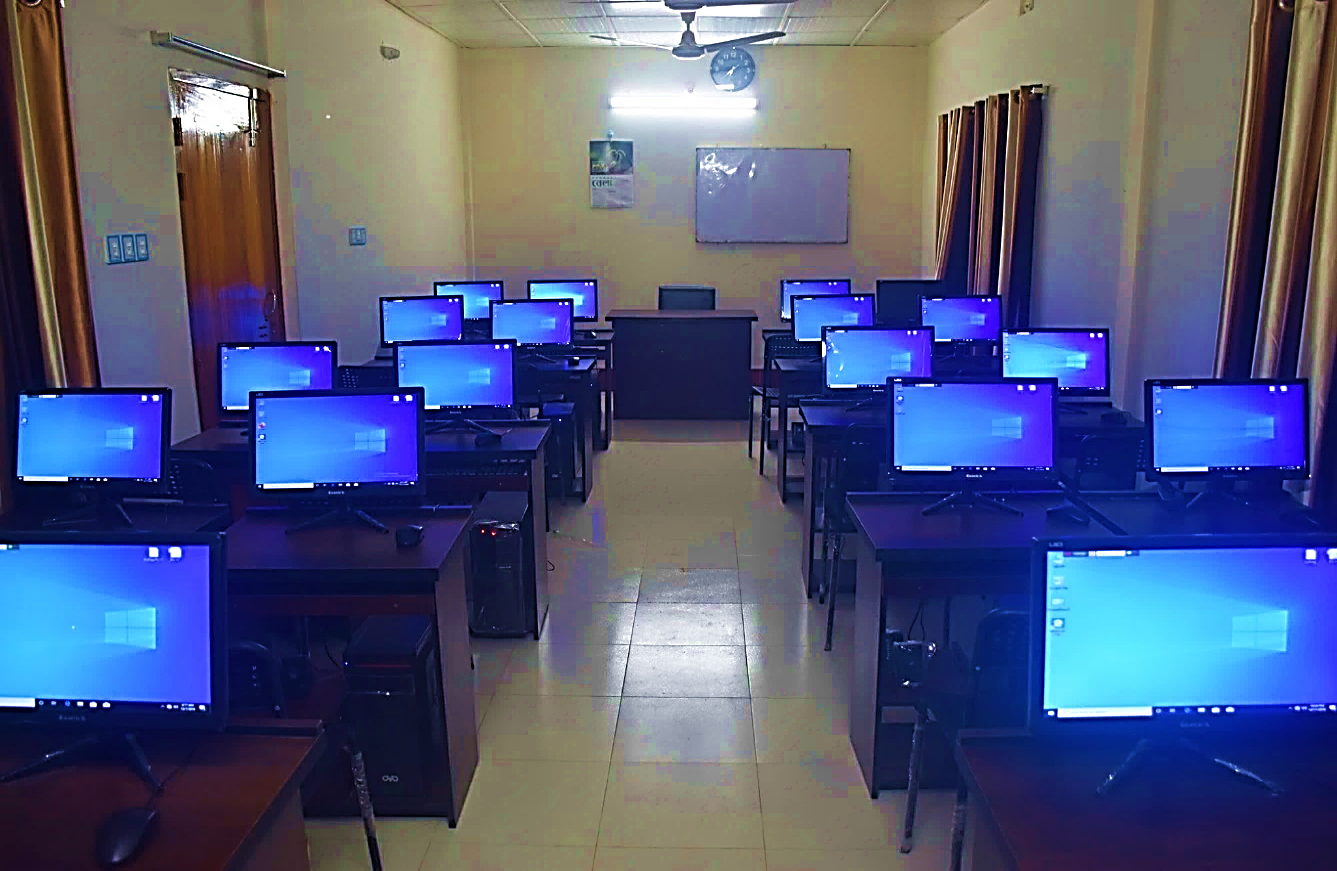
Computer Lab

In today’s digital world, computer knowledge is essential in every profession, including nursing. The Computer Lab helps us develop important skills such as preparing presentations, maintaining digital records, accessing online research, and using healthcare software systems. Through practical sessions, we learn about data management, medical documentation, online communication, and evidence-based research. These skills enhance our academic learning and prepare us for modern hospital settings where technology plays a major role in patient care. The Computer Lab not only improves our technical abilities but also increases our efficiency, accuracy, and confidence in handling digital information. In conclusion, the Computer Lab equips us with the technological skills needed to become competent and modern healthcare professionals.
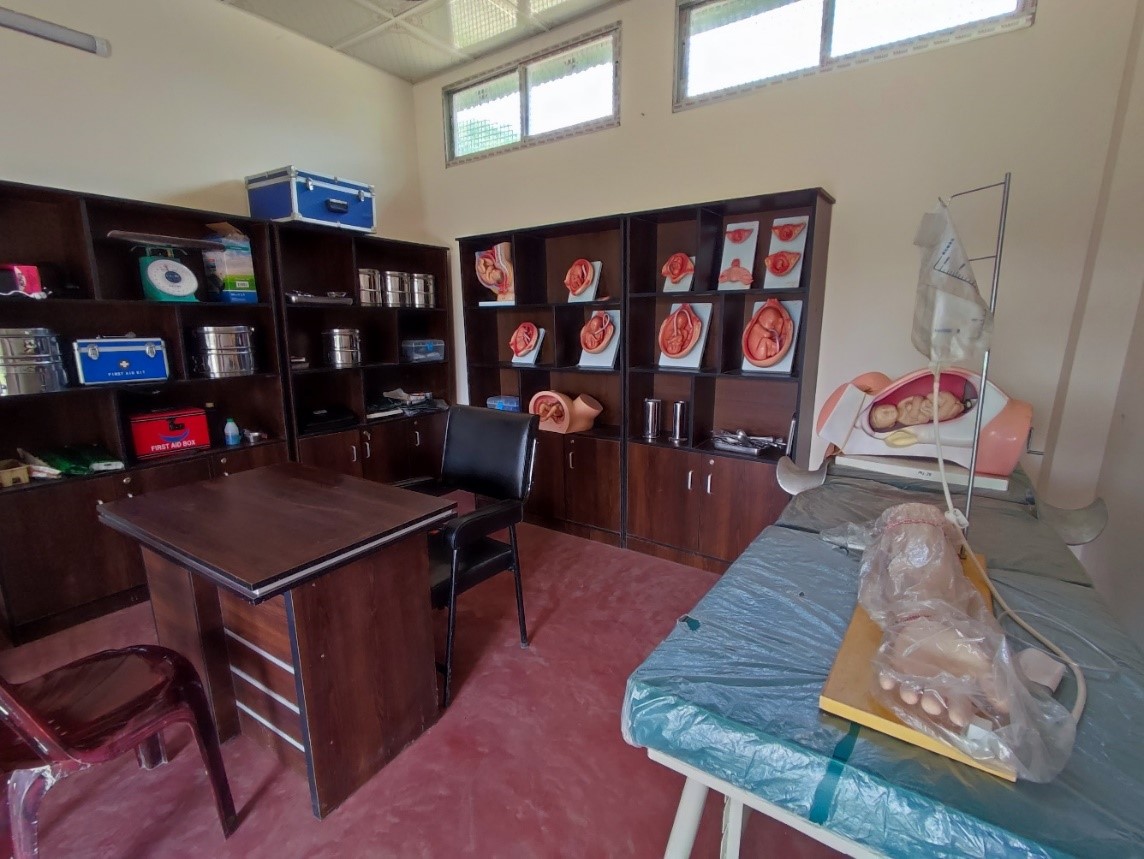
Midwifery Lab

The Midwifery Lab is an essential part of our nursing education, especially in preparing us to care for mothers and newborns. It provides a safe and supervised environment where we learn and practice important procedures related to pregnancy, labor, delivery, and postnatal care. In this lab, we practice conducting normal deliveries using mannequins, monitoring fetal heart rate, providing antenatal and postnatal care, and performing newborn resuscitation. These practical sessions help us gain confidence, improve our skills, and understand the responsibilities involved in maternal and child healthcare. The Midwifery Lab not only enhances our clinical competence but also teaches us compassion, patience, and sensitivity while caring for mothers and infants. In conclusion, the Midwifery Lab plays a vital role in shaping us into skilled and responsible nurses in maternal and child health.

Curriculum and Syllabus

The Diploma in Nursing Science and Midwifery  program at Bela Nursing college is a 3-year course, comprising 3 academic years followed by a 6-months compulsory internship.

Professional Years and Core Subjects:

1st Year

  1. D111- Behavioral Science
  2. D112- Basic Science
  3. D123-Anatomy and Physiology
  4. D124-Microbiology and Parasitology
  5. D135-Fundamentals of Nursing
  6. D116-Communicative English
  7. D117-Computer and Information Technology


2nd Year

  1. D231- Medical & Surgical Nursing
  2. D222-Pharmacology
  3. D223-Nutrition and Dietetics
  4. D234-Community Health Nursing
  5. D235-Pediatric Nursing

3rd Year

  1. D331-Midwifery
  2. D332-Psychiatric Nursing
  3. D333- Orthopedic Nursing
  4. D334-Leadership and Management
  5. D335-Research Methodology

Course Details

There should be a minimum period of three years of education programme. Total hours are 5112 in the three years course. The academic year will start from January in each year. After completion of the program every student has to perform 06(six) months internship in an appropriate clinical areas/hospitals according to logbook. On the successful completion of the course, the student is

required to take the BNMC comprehensive examination for licensing as a registered nurse. BNMC will issue professional License and academic certificate.

Assessment

  • Written examinations

  • Oral & practical exams

  • Coursework & assignments

  • Clinical skills evaluation

  • Presentations & group work

  • Minimum 50% pass marks required in each subject and method

  • 80% class attendance required to sit for university examinations

Admission Information

The admission process at Bela Nursing College is designed to select academically qualified and medically fit students for the Diploma in Nursing Science and Midwery program. Candidates must meet specific academic requirements, pass an admission test, and undergo a medical examination to ensure readiness for both academic learning and clinical training.

Eligibility Requirements

  • The applicant must be a permanent citizen of Bangladesh.
  • The applicant must have passed SSC and HSC or equivalent examinations in any discipline. The total GPA in both examinations must be at least 6. However, the GPA in any one examination will not be 2.50.
  • Candidates must appear in the BNMC admission test and obtain at least 40 marks.
  •  

Admission Process

  1. Application Submission – Complete and submit the admission form as instructed
  2. Admission Test – Viva examination held on the BNC campus
  3. Medical Examination – Conducted by the medical board for fitness clearance
  4. Final Selection – Based on merit list and health clearance. 
Scroll to Top